

When it comes to protecting and organizing our Pokémon cards, the right card holder is essential. A Pokémon card holder keeps our collection safe from damage while making it easy to browse and display. Whether we’re seasoned collectors or just getting started, choosing the right holder can preserve card value and improve our overall experience.
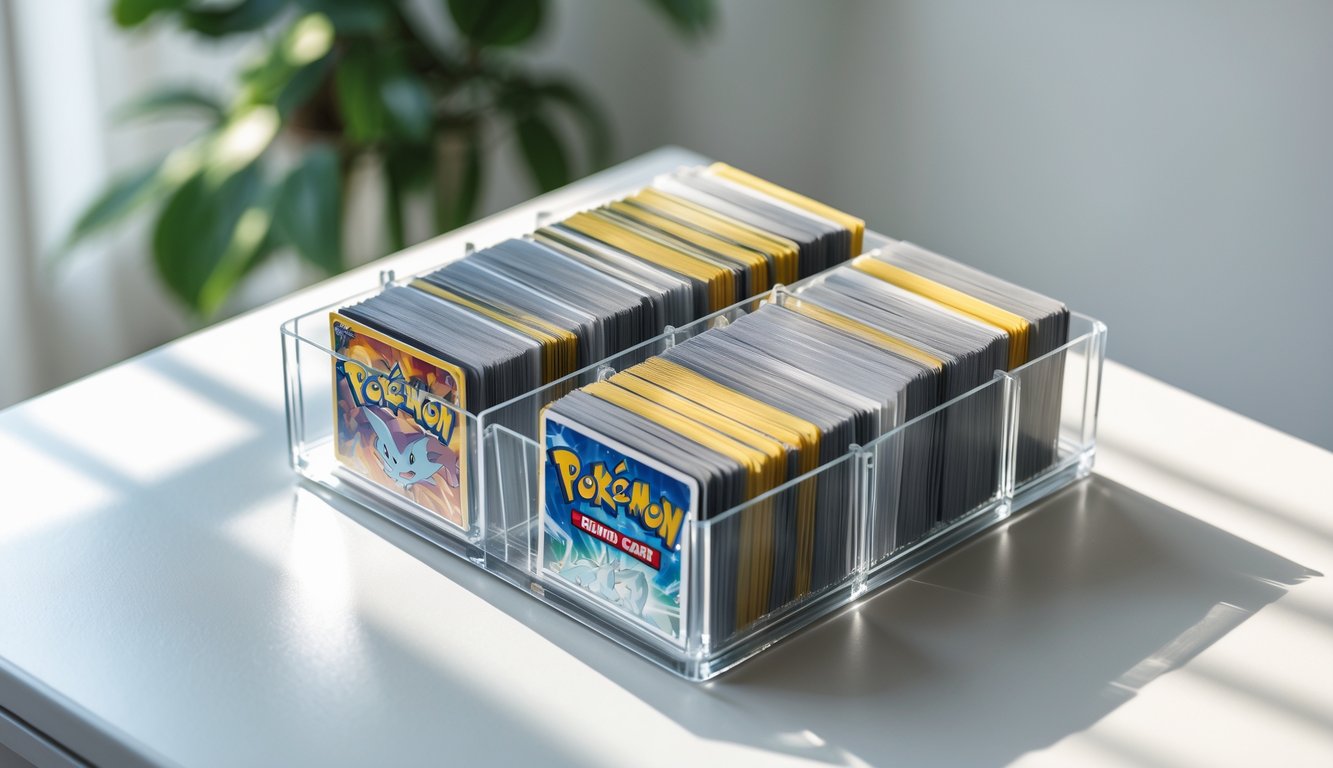
There are various options available, from binders designed to hold hundreds of cards to smaller sleeves and cases for individual protection. Knowing what to look for in materials, size, and storage style helps us make an informed decision that fits our needs and collection size.
Finding a reliable place to purchase these holders matters too, as quality and price can vary widely. We’ll explore different types of holders and where to find them so our collections stay guarded and organized.
Pokemon Card Holder Types
We look at different ways to store and protect Pokemon cards, focusing on practical options for collectors of all levels. Each type offers unique features based on how many cards you want to hold and the level of protection needed.
4 Pocket Card Organizers
These are compact albums with pages that each hold four cards in clear pockets. They provide a straightforward way to organize and view cards while keeping them safe from dust and minor handling damage.
Typically, a single page holds four cards, and albums can have anywhere from 30 to over 100 pages. This means we can store hundreds of cards in one binder without bulky space needs. These organizers are usually affordable and lightweight, making them easy to carry.
They are best suited for casual collectors or those who want to showcase cards without excessive bulk. However, the sleeves offer minimal protection against bending or extreme impacts.
Card Binders with Sleeves
Card binders with individual sleeves are designed for serious collectors who want to preserve card condition long-term. Each sleeve fits a single card, offering better protection against scratches, bending, and dirt.
Binders typically include acid-free pages, which are important for preventing card degradation. Many models accommodate hundreds of cards, with zip closures and robust covers to protect from environmental damage.
They allow us to organize cards by set, rarity, or type efficiently while keeping everything visible. The tradeoff is that these binders can be heavier and more expensive than 4 pocket organizers, but they deliver superior protection.
Deck Boxes and Display Holders
Deck boxes are rigid containers meant for transporting smaller, active decks safely. They usually hold 60 or fewer cards, making them optimal for players who regularly carry decks to tournaments or casual games.
Many deck boxes provide foam or padded interiors to reduce damage from shocks and drops. Some also have clear display windows for easy viewing. Display holders, on the other hand, are designed to showcase prized cards attractively, often using magnetic closures or hard plastic to avoid damage while making cards easy to remove and show.
Both options are essential for players balancing portability with protection.
3D Printed and Custom Holders
Custom and 3D printed holders offer unique ways to store or showcase Pokemon cards tailored to personal preferences. These holders can come in various shapes, sizes, and materials, sometimes incorporating compartments for other accessories like dice or counters.
3D printing allows for creative designs that standard products do not offer. For example, we might find holders shaped like Pokemon items or characters, combining protection with a collectible display factor.
While these are often more expensive and less practical for large collections, they appeal to collectors wanting a personalized touch to their card storage. They can also use hard plastics or magnetic features for enhanced card security.
Custom holders are excellent for special cards or themed displays.
For detailed product options and prices, we can consult resources like Amazon’s Pokemon card holders or guides on magnetic card cases from TCG Protectors.
Materials and Features
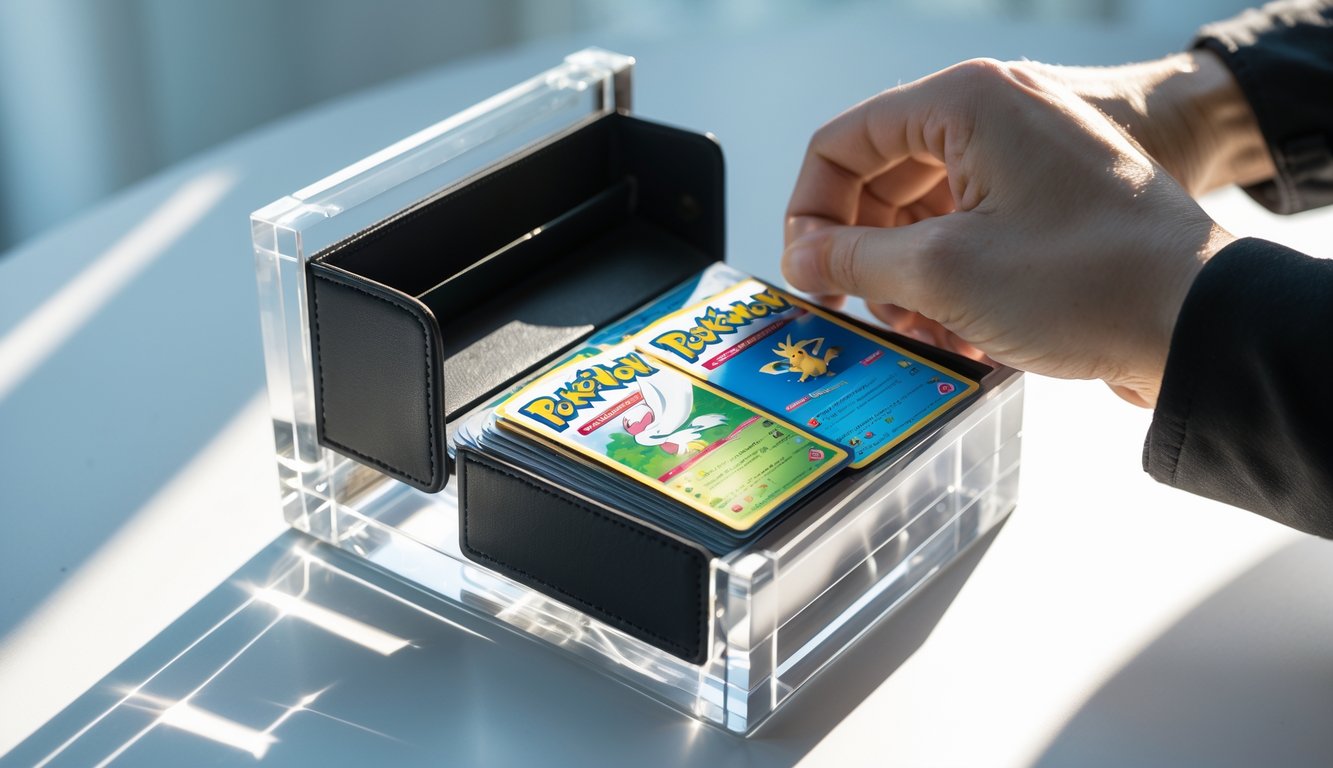
The materials and design features of Pokémon card holders play a critical role in protecting our cards. From waterproof layers to secure closures, understanding these elements helps us select holders that ensure durability and ease of use.
Waterproof and Shockproof Albums
Albums designed to be waterproof and shockproof provide essential defense against accidents and environmental damage. These holders typically use sealed, water-resistant materials that prevent moisture from seeping inside, shielding cards from spills or humidity.
Shock resistance is achieved through reinforced padding or rigid outer shells. This protects cards from bending or breaking if dropped or jostled during transport.
Such albums are ideal for collectors who frequently travel or attend events, offering reliable protection without compromising on storage capacity.
Durable EVA+PU Material
The combination of EVA (Ethylene Vinyl Acetate) and PU (Polyurethane) materials provides a strong foundation for card holders. EVA offers excellent shock absorption and flexibility, while PU adds durability and resistance against wear and tear.
This material blend lends itself to holders that can withstand daily use and handle rough handling. They remain lightweight but tough, maintaining a sleek finish that doesn’t easily scuff or degrade.
For collectors prioritizing longevity in their card storage, EVA+PU materials balance protection and aesthetics effectively.
Leather and Premium Covers
Leather and other premium cover materials deliver both durability and a professional, polished look. Genuine or high-quality synthetic leather is water-resistant and resistant to scratches and dirt.
These covers often come with padded hardbacks that prevent bending and creasing of cards inside. Besides protection, premium covers add an element of style and prestige to our collections.
They’re perfect for those who want a classy display and long-term preservation without sacrificing sturdiness.
Zipper Closures and Portability
Zipper closures enhance security by fully sealing the case, preventing cards from falling out. They also help keep dust and moisture away. Zippers are generally more reliable compared to magnetic or snap closures when carrying cards on the go.
Portability is further improved with compact designs and ergonomic grips often integrated into these holders. This makes it easy for us to transport cards safely between places.
For collectors attending tournaments or trading events, zipper-secured holders provide confidence in both protection and convenience.
Learn more about magnetic and other card holder options at Ultra Pro’s Poké Ball printed magnetic card holder.
Protection Methods for Pokemon Cards

Protecting our Pokémon cards requires using specific products that guard against physical damage and environmental factors. Each method offers different levels of security, handling ease, and suitability based on card value and usage.
Card Sleeves: Penny, Perfect Fit, Deck Sleeves
Card sleeves are the first line of defense against scratches, dirt, and minor bends. Penny sleeves are thin, inexpensive, and ideal for casual play or temporary protection. They slip over cards easily but provide limited durability.
Perfect fit sleeves are smaller and designed to cover the card tightly. They prevent dust and debris from reaching the card edges and reduce wear from handling.
Deck sleeves are thicker and slightly larger than perfect fits, designed to hold fully sleeved cards together when playing. They protect cards from spills, dirt, and damage during shuffling. Using both perfect fit and deck sleeves together is called double sleeving, offering enhanced protection.
Toploaders: Rigid, Semi-Rigid, Magnetic
Toploaders are rigid plastic holders that guard cards from bending, impacts, and water damage. Rigid toploaders are thick and sturdy, offering strong protection for shipping or long-term storage.
Semi-rigid toploaders are thinner and more flexible but still provide good support for play and display.
Magnetic toploaders are premium holders with a secure magnetic closure. They offer high-level protection and an attractive display option, especially suitable for rare or graded cards. Magnetic cases prevent cards from shifting and protect edges better than traditional toploaders.
Binders: Standard, Jumbo, Zip Binders
Binders organize and protect multiple cards in one place. Standard binders hold cards in individual plastic pockets, usually 9 per page, offering easy access and basic protection from direct contact or bending.
Jumbo binders have larger pockets, fitting cards with toploaders or thicker sleeves. They are suitable for collectors who want added protection while still maintaining a large, organized collection.
Zip binders add a zipper closure, protecting cards from dust, spills, and accidental page turning. Their secure closure makes them useful for transporting or storing collections safely.
Double Sleeving and Grading Protection
Double sleeving involves placing a card inside a perfect fit sleeve, then putting that sleeved card into a deck sleeve. This method protects edges, corners, and surfaces better than single sleeves alone.
Double sleeving is popular for valuable cards or those frequently handled, reducing wear and tear significantly.
For high-value cards, professional grading encapsulates cards in hard plastic slabs, offering near-maximum protection from physical and environmental damage. Graded cards benefit from controlled handling conditions and are easier to trade or sell due to verified condition.
We should choose protection based on card value, usage frequency, and storage needs.
Choosing the Right Holder or Binder
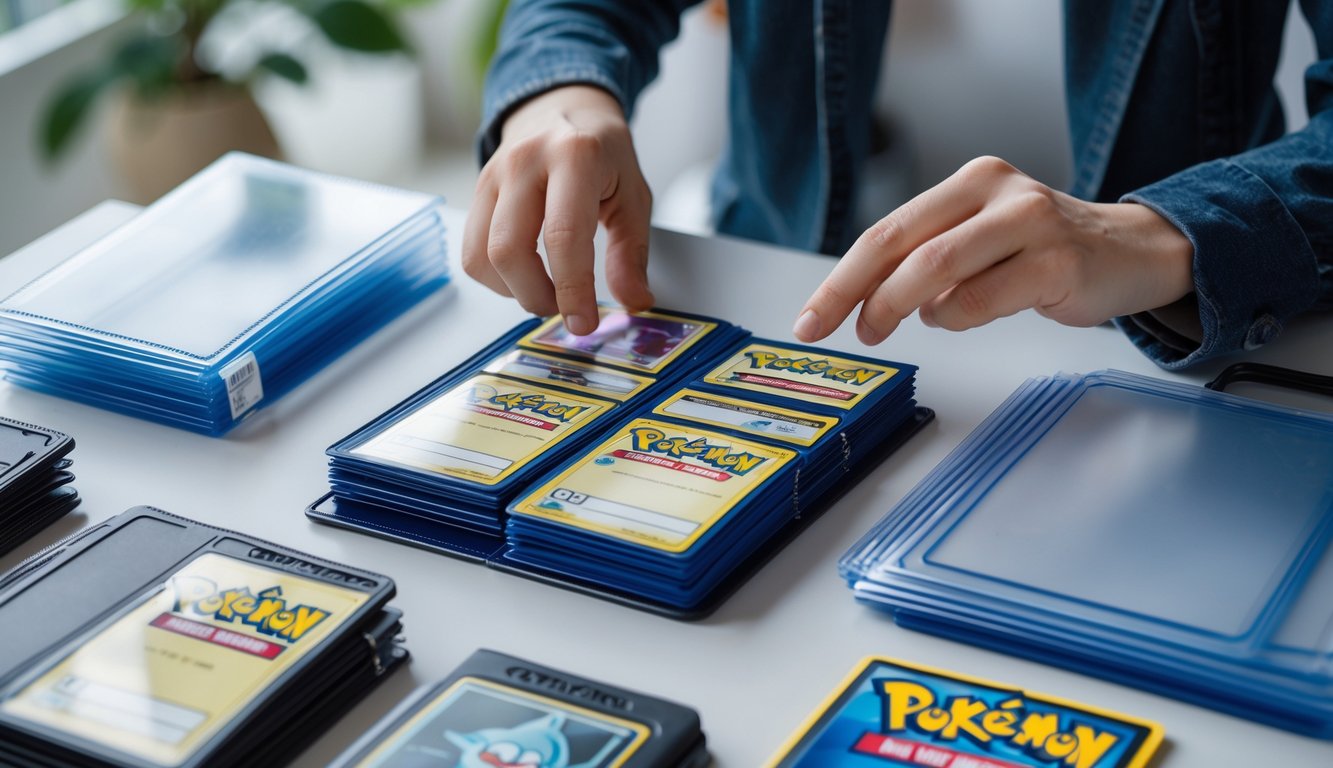
Selecting the proper holder or binder depends on your collection size, card types, and how you want to access or display your cards. We focus on size, card compatibility, ease of use, and options tailored for larger or more specialized collections.
Capacity and Size Considerations
Understanding how many cards your binder can hold is crucial. Most common binders use nine-card pages, allowing three rows of three cards each. A standard 3-ring binder with 100 pages can hold about 900 cards.
We should match the binder size to our collection. Small collections may fit into a 30- or 60-page binder, while larger sets require 100 pages or more. Consider if you plan to grow your collection; leaving some extra space is wise.
Thickness and weight matter for portability. Bulkier binders protect well but are less travel-friendly. Slimmer binders balance protection and easy transport but may hold fewer cards.
Suitability for Different Card Types and Sizes
Not all cards are uniform size. Pokémon cards are typically standard-sized, but some promotional or special editions may be larger or differently shaped. Our holder needs to accommodate card dimensions without bending or damage.
We should avoid overly tight sleeves that stress cards or loose ones that let cards shift. UV-resistant and acid-free materials protect cards from fading or chemical damage.
For holographics or rare cards, consider premium holders with extra padding or magnetic cases. These offer superior protection against scratches and environmental harm.
Benefits of Zip Binders and Sideloading
Zip binders provide complete protection by sealing the binder closed, preventing dust and moisture. This feature is helpful if we transport or store cards long-term.
Sideloading binders allow us to slide cards in from the side rather than the top, reducing risk of cards falling out. This design improves security during handling.
Both zip closures and sideloading help maintain card condition by minimizing exposure to elements and mechanical stress. They add convenience for frequent use or travel.
Recommended Holders for Master Sets
Master sets contain thousands of cards and demand high-capacity, durable storage solutions. We recommend large three-ring binders with at least 200 pages or specialized premium binders with reinforced spines.
Magnetic card holders are ideal for showcasing valuable cards within a master set while protecting them from bending and scratches. These holders complement binders, providing extra care for rare or high-value pieces.
Organizing by theme, set, or rarity inside different binders or custom pages makes managing master sets more efficient and preserves card condition during display or transport.
More detailed reviews on these options are available in the 5 best Pokémon binders for serious collectors.
Frequently Asked Questions
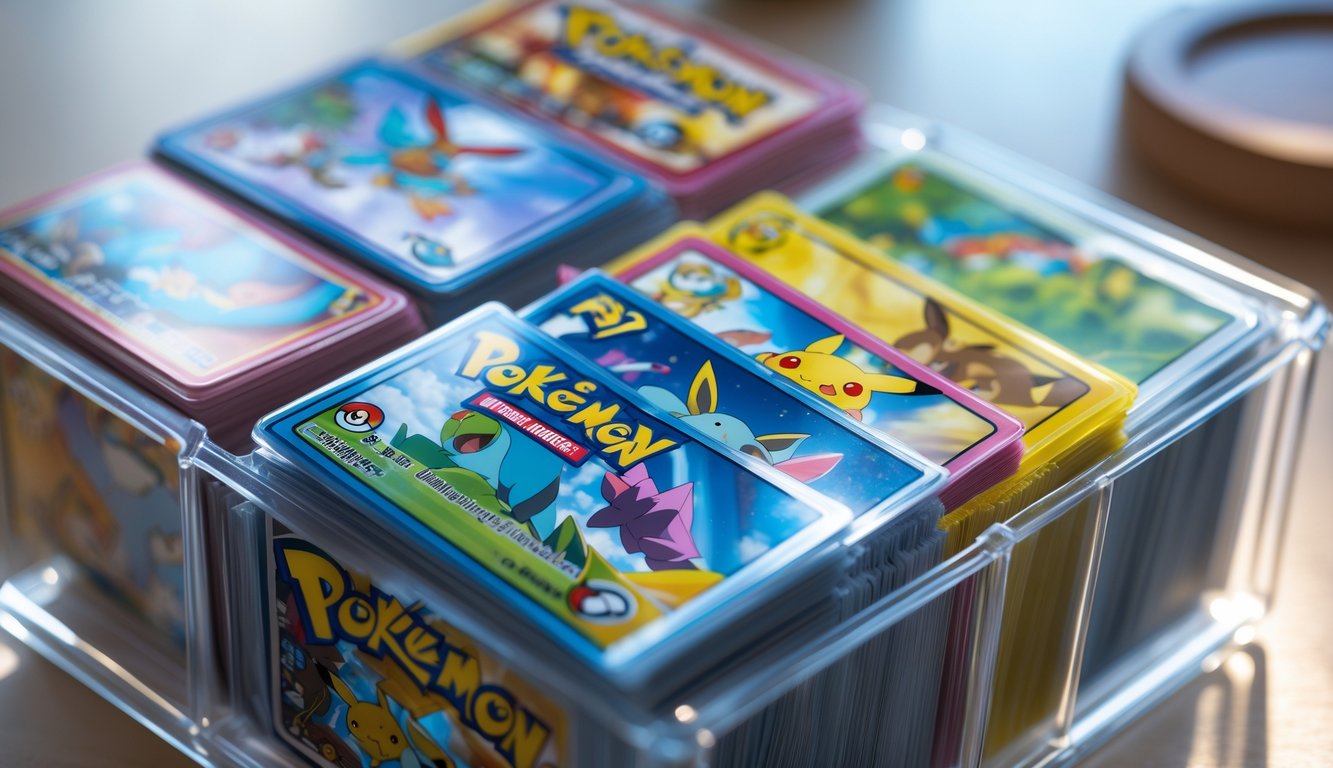
When storing Pokémon cards, choosing the right protective materials is essential to maintain condition and value. Understanding sleeve types, layering options, fit for binders, card protection methods, and card size variations helps us make smarter choices for our collections.
What is the best sleeve for Pokemon cards?
The best sleeve balances durability, fit, and clarity. We prefer soft polyethylene sleeves often called penny sleeves. These are thin, flexible, and provide solid scratch protection.
For top-tier collectors, thicker polypropylene sleeves offer more rigid protection and better longevity. They resist tearing and do not yellow over time.
Clear, non-glossy finishes help reduce glare and improve card visibility. It’s key the sleeve fits snugly without being too tight, which could warp the card.
Avoid sleeves that are too loose or excessively thick, as they hinder storage and increase the chance of damage when shuffling or handling.
Can you double sleeve Pokemon cards?
Yes, double sleeving is a common technique to add extra protection. We insert the card into a standard penny sleeve first, then place that inside a thicker outer sleeve.
This method guards against dirt, dust, and moisture, significantly lowering the risk of edge wear. It is especially useful for valuable or frequently handled cards.
Double sleeving also provides a buffer against slight impacts, improving card preservation during transport or storage.
We recommend using a snug outer sleeve so the card doesn’t move around inside, which could cause abrasion over time.
Do penny sleeves fit in binders?
Penny sleeves are slim enough to fit comfortably in most 9-pocket binder pages. These pages are designed for standard-sized cards measuring 2.5 by 3.5 inches.
Because penny sleeves add minimal bulk, multiple double-sleeved cards can still be stored without crowding. This helps us maintain order without risking damage from tight pressure.
For durable long-term storage in binders, pairing penny sleeves with toploaders or thicker sleeves before inserting into binder pockets offers extra protection against bending or impact.
Should I topload or sleeve my Pokemon cards?
Sleeving is our first step; it protects the card from surface scratches and dirt. However, sleeves alone don’t prevent bending or crushing.
Toploaders are rigid plastic cases that add structural support. We use them for rare or valuable cards to prevent bending and accidental edge damage.
For everyday use, sleeves offer adequate protection, especially when paired with a binder or deck box.
For maximum defense during transport or display, a double-sleeve plus toploader combination is ideal.
How to identify special or jumbo card sizes?
Most Pokémon cards measure 2.5 by 3.5 inches, but some promotional, jumbo, or special edition cards differ.
To identify these, we measure the card dimensions carefully and compare with standard sizing charts.
Special cards can be larger, smaller, or have irregular shapes. For example, full-art GX or oversized promo cards often need larger, custom holders.
Using the wrong sleeve or holder risks damage or improper fit. When buying sleeves or toploaders, always check if the product specifies compatibility with jumbo or promo card sizes.
If uncertain, specialized sleeve manufacturers or guides can help select the right protection for unique cards.
About The Author
